Fifteen minutes, one basket, and the toys go home. You clean up the playroom, and five minutes later it looks like a toy store exploded — seventeen different toys on the living-room floor, bins overflowing, and no floor to walk on. This toy clutter reset fixes that in fifteen minutes, with one basket and one category at a time.
One basket, one category — never dump everything
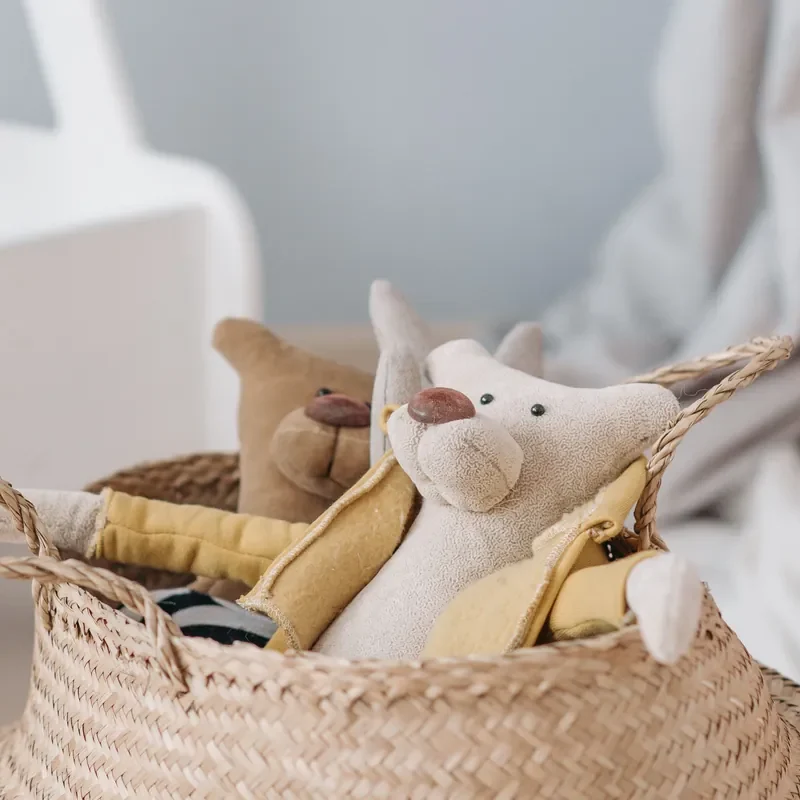
The number one mistake with toy clutter is dumping everything into the middle of the room. It creates instant overwhelm, and your kids will suddenly remember a broken toy they have not touched in three years. Pick one category for your fifteen minutes: the game shelf, the plushies, the blocks, the art supplies. One basket in your hand, one category in front of you.
Keep, donate, trash — two bins and a bag
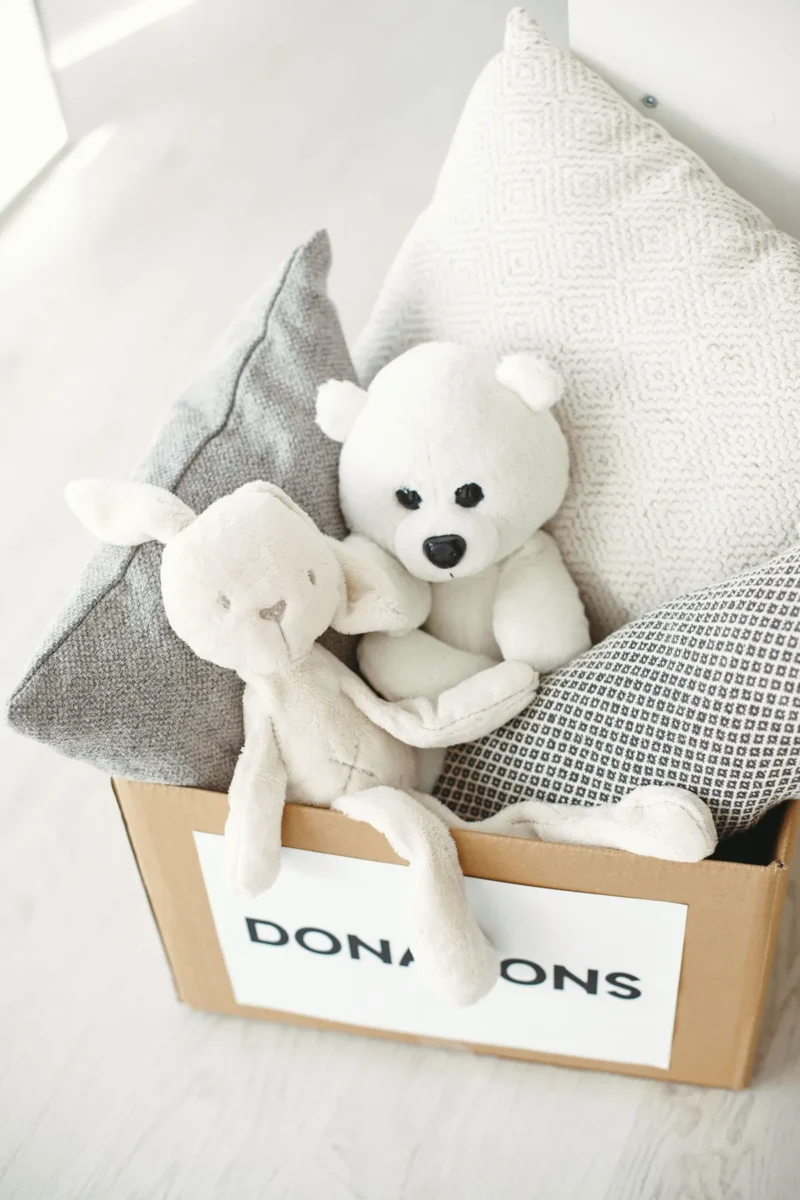
Grab two containers: a donation tote and a trash bag. Every toy in your one category goes into one of three piles. Keep is the toys they actually play with — the favourites, the complete sets, the ones pulled off the shelf this week. Donate is duplicates, complete sets they have outgrown, and good toys nobody has touched in three months. Trash is broken toys, toys with missing pieces, and anything unsafe. Do not debate a toy for more than ten seconds.
Bins by category, 75% full, at kid height
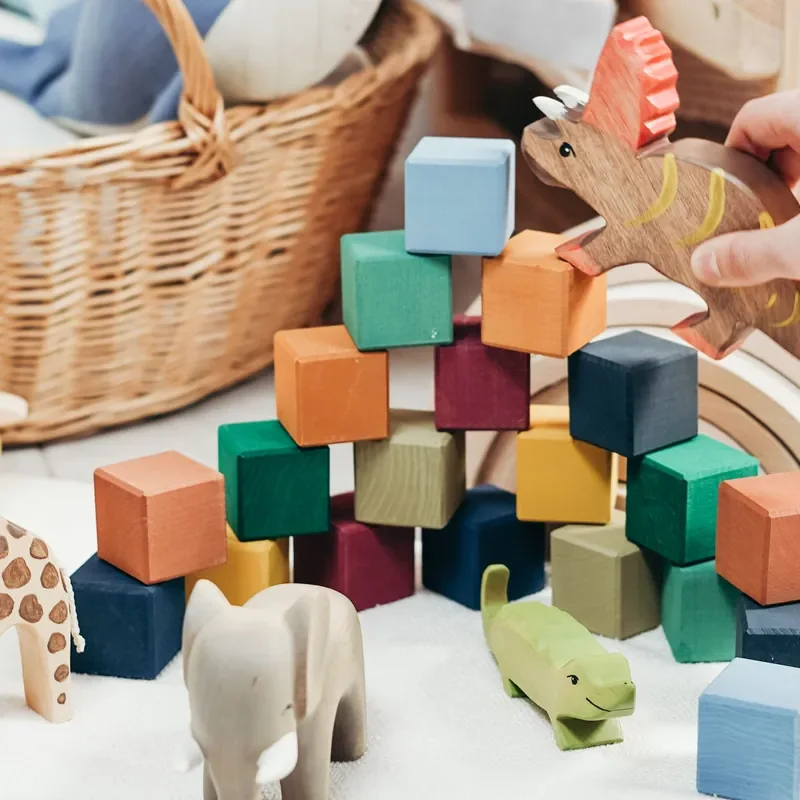
Now put the keep pile back — by category, not by perfection. One bin for blocks, one for dolls, one for art supplies, one for cars. Open-top bins, at kid height, with labels or picture labels for little kids, and each bin only about three-quarters full. A bin stuffed to the top is a bin nobody can put anything back into, so the floor becomes the bin. Toy organization works when the storage fits the child, not the other way round.
Rotate: a third out, the rest stored
Keep about a third of the toys out and store the rest in a closet or under-bed bin, then swap them every few weeks. Old toys feel new again, the house holds a third of the mess, and the kids play longer with fewer choices in front of them. Rotation is the quiet secret of toy organization: fewer toys out means less to clean up, less to argue about, and a reset that actually fits in fifteen minutes. When you swap, do the keep-donate-trash check again — one category, one basket, same rule.
Five-minute nightly toy reset, music on
The reset only sticks if it has a daily version. Every night before bed, five minutes, music on, everyone helps: toys off the floor and back into their general homes. Not sorted perfectly, not counted — just off the floor and into the right bin. Set a timer for five minutes and make it a race: who can fill their bin the fastest? A five-minute cleanup the kids help with beats an hour of cleaning you do alone after they are asleep. The goal is not a perfect playroom. The goal is a floor you can walk on tomorrow morning.
One in, one out — and the donation bin goes in the car
Last rule, and it is the one that stops the clutter coming back: one in, one out. A new toy comes in, an old one goes out to donate. No exceptions for birthdays or holidays — that is when the rule matters most. And when the timer rings, put the donation tote straight into the car trunk. A donation bag that sits by the door for a week gets opened, re-sorted, and put back on the shelf. A bag in the car gets dropped off. Fifteen minutes, one basket, one rule — and the toys stay home.
Checklist
- ☐ One category picked — one basket, fifteen minutes
- ☐ Keep, donate, trash — two bins and a bag
- ☐ Bins by category, 75% full, at kid height, labelled
- ☐ Toys rotated — a third out, the rest stored
- ☐ Five-minute nightly toy reset — music on, everyone helps
- ☐ One in, one out — new toy in, old toy donated
- ☐ Donation tote in the car — straight after the timer rings
One basket, one category, fifteen minutes. Set the timer, pick the messiest shelf, and start with the keep-donate-trash piles today.
Toys sorted? The same keep-donate-trash rule works in the Closet Reset — keep what fits, store the rest.
A third out, the rest stored — that is the article’s own rule. Keep roughly a third of the toys where kids can reach them and store the rest, then swap a bin every few weeks so old toys feel new again. A good test is whether everything out fits in its bins: if the bins are full, something has to go before something new comes in.
Use a rotation box as a halfway step: toys your child is unsure about go into storage instead of out of the house, and if nobody asks for them in a few weeks, they are easier to pass on. Let your child choose which toys leave, offering two options at a time, and never force the decision — a toy that was chosen to go causes far fewer tears than one that was taken.
Every few weeks — that is the article’s own rhythm. Swap a stored bin back in when your child loses interest in what is out; swapping often lands better than a new toy, because the toys feel forgotten enough to be exciting again.
Use one in, one out: every time a new toy arrives, one old toy goes out to donate or to a younger child. Tell relatives ahead of birthdays that experience gifts are welcome too, so the pile does not grow faster than the rule can handle it.